A Day in the Life of Mobile Integrated Healthcare
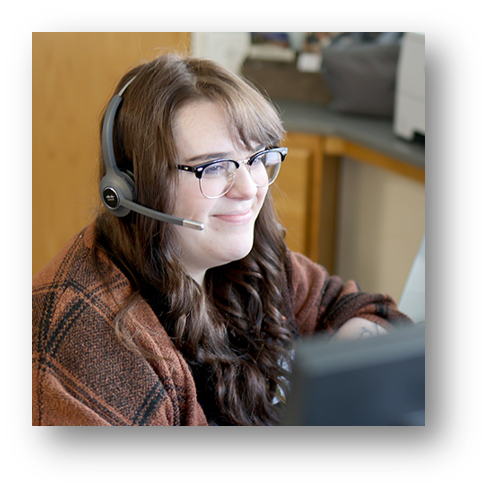
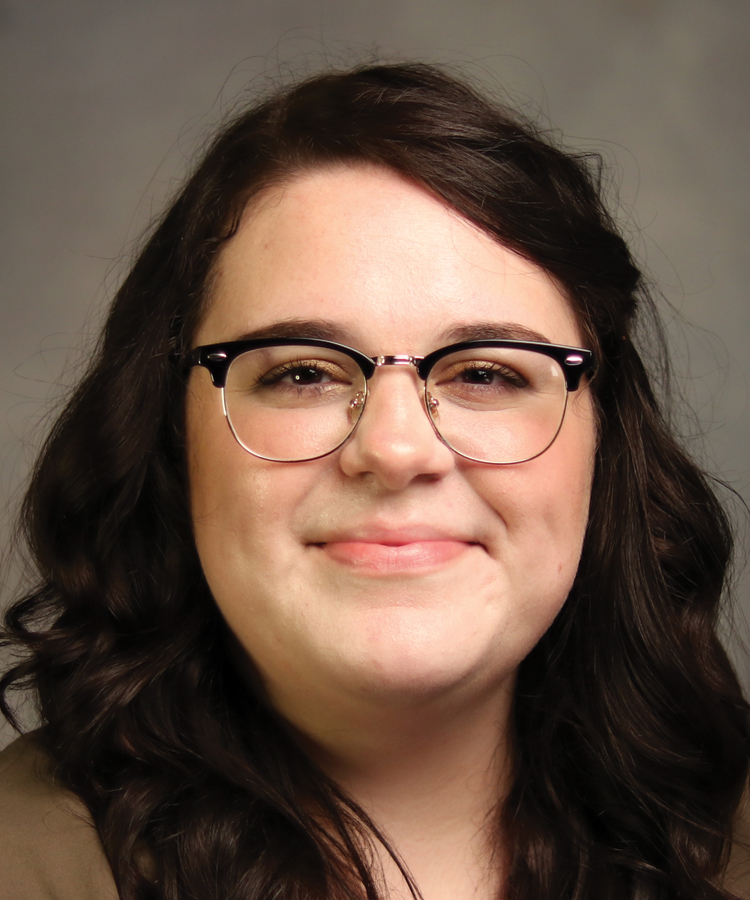
As the Mobile Integrated Healthcare Coordinator and a Community Health Worker, Ryann noted that no two days look the same — and that’s part of what makes the job exciting.
“I wear a lot of hats,” Ryann explained. “My role is a mix of care coordination, problem solving and patient support.”
On any given day, responsibilities might include any of the following.
- coordinating MIH referrals and scheduling home visits
- conducting patient outreach
- acting as a liaison between patients and care teams
- connecting patients to community resources
- collaborating with multiple health care teams
- tracking patient outcomes and collecting data to improve services
Working closely with MIH staff who visit patients in their homes allows them to identify real-world barriers — like transportation issues, lack of resources or unmet social needs — and help find solutions.
What Makes the Work Meaningful?
Helping patients during some of their hardest moments is what makes this career so rewarding.
“A lot of patients just need someone to listen, explain things in a way they can understand and make things feel less overwhelming. Knowing I can reduce someone’s stress, help them access care and truly make a difference — that’s the best part of my job.”
Facing the Challenges of Health Care Work
Like many health care careers, this role comes with emotional challenges. Hearing patients’ stories — especially when they’re dealing with complex health issues, social stressors or limited support — can be heavy.
“One of the biggest lessons I’ve learned is that I can’t fix everything,” Ryann shared. “Outcomes take time, and focusing on what I can do helps me keep going.”
Learning how to manage emotional weight is an important skill in health care — and one that grows with experience, reflection and support.
Advice for Students Considering Health Care Careers
For students thinking about entering health care, this advice stands out:
“Compassion and communication are just as important as clinical skills.”
Health care offers countless career paths, many of which students may not even know exist yet. Staying open-minded, asking questions, and being willing to explore different roles can lead to meaningful and unexpected opportunities.
Clearing Up a Common Misconception
One misconception about roles like community health workers is that they’re “behind the scenes” or mostly clerical.
“In reality, we’re deeply involved in patient care,” Ryann explained. “Often, we’re the trusted contact for patients — the bridge between providers, community resources and the people we serve.”
These roles are hands-on, relationship-driven and essential to patient outcomes.
The Future of Health Care: Whole-Person Care
With seven years of experience in health care, Ryann is already seeing major shifts in how care is delivered.
“Health care is moving toward whole-person health — community-based, patient-centered and focused on early intervention,” Ryann said. “Programs like MIH are a big part of that future.”
As health care continues to evolve, roles that address nonclinical factors that affect an individual’s health and focus on prevention will only continue to grow.
Thinking About a Career in Health Care?
If you’re a student who wants to help people, solve real-world problems and make a difference in your community, health care offers far more possibilities than you might expect. Careers in community health prove that impact doesn’t always happen in a hospital room — it often starts with listening, advocating and meeting people where they are.