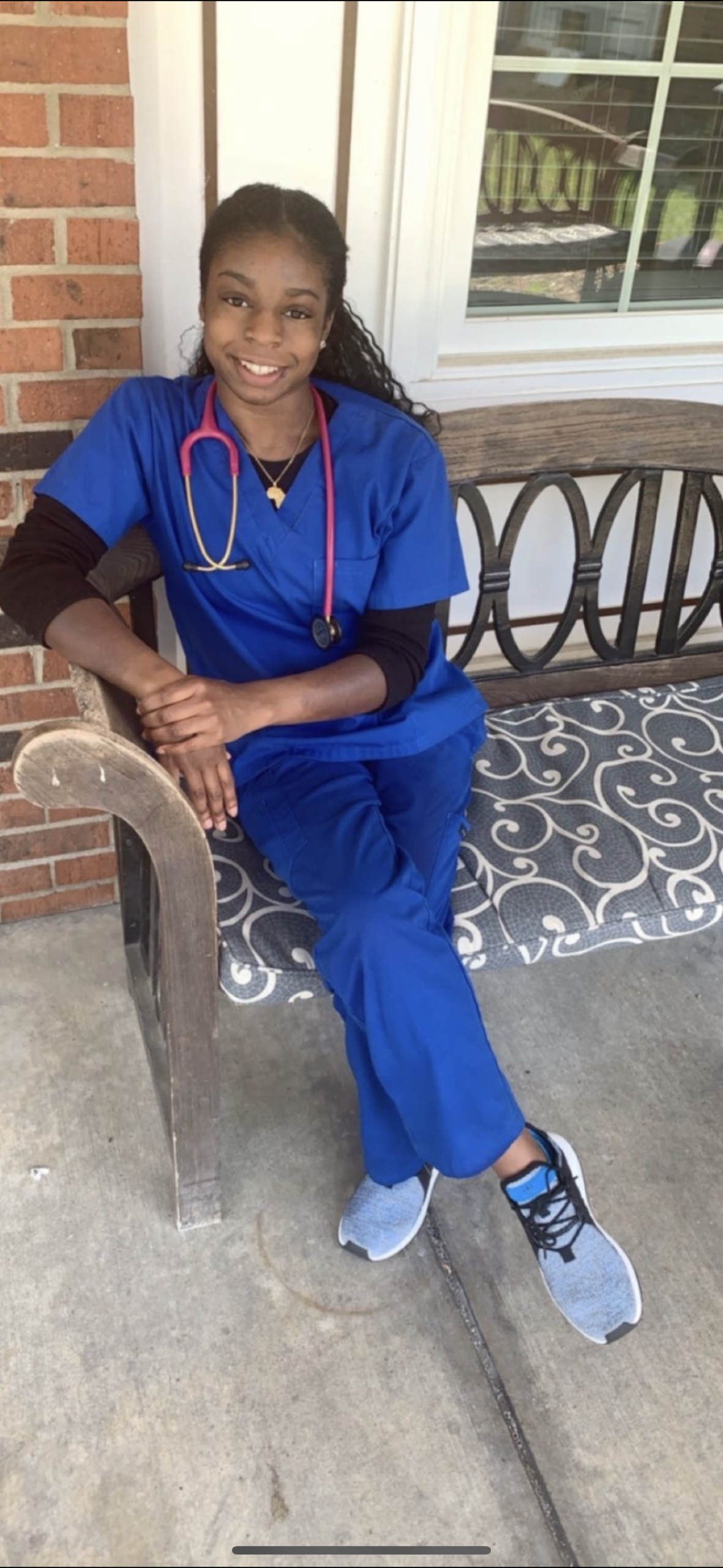
A Day in the Life of a Sonographer
As a diagnostic medical sonographer, Jenkins performs ultrasound examinations, captures high-quality diagnostic images, and works alongside physicians to help evaluate and diagnose a range of medical conditions.
Each day starts with reviewing patient schedules and medical histories to understand the purpose behind every exam. From there, she spends the day interacting directly with patients — explaining procedures, answering questions and helping them feel comfortable throughout their exams.
The work itself varies widely. Jenkins performs abdominal, vascular, and other specialty studies, carefully capturing and documenting diagnostic images and measurements along the way. Beyond scanning, she also analyzes images for abnormalities, prepares preliminary findings for interpreting physicians, maintains accurate patient records, and collaborates closely with radiologists, physicians, nurses and other members of the care team.
“Every day is different, which makes the profession both challenging and rewarding,” she said. “I enjoy combining patient care, critical thinking, and advanced technology to help contribute to accurate diagnoses and positive patient outcomes.”
The Reward of Meaningful Work
For Jenkins, the most fulfilling part of the job is the chance to make a real difference in patients’ lives.
“As a sonographer, I have the privilege of caring for patients during important and sometimes challenging moments in their health care journey,” she said. Whether helping diagnose a medical condition, monitoring a pregnancy, or simply offering reassurance during an exam, she knows the work directly informs patient care and treatment decisions.
The blend of patient interaction, critical thinking and technology is part of what keeps the profession engaging.
“Every patient and examination is different, which keeps the job interesting and continually challenges me to learn and grow professionally,” Jenkins said.
Above all, she values the relationships built with patients along the way. “I value the relationships I build with patients and the opportunity to show compassion, empathy and professionalism every day.”
Facing Challenges With Resilience
Like many health care professionals, Jenkins has faced obstacles while building a career in sonography — starting with the transition from student to working professional.
“As a new sonographer, I quickly realized that every facility operates differently, and it can take time to build confidence and proficiency,” she said.
Balancing the technical precision required to capture high-quality diagnostic images with the compassionate care patients need — especially during stressful or emotional moments — also has required patience and continuous learning.
Jenkins has leaned on a positive attitude, mentorship from experienced colleagues and a commitment to lifelong learning to work through these challenges. Experience as a CNA also proved valuable, reinforcing the importance of adaptability, clear communication and compassion.
“These experiences have reinforced my resilience and determination and have ultimately made me more confident and better prepared to provide high-quality patient care,” she said.
Rethinking Common Misconceptions
Jenkins hopes to correct a few common misconceptions about diagnostic medical sonography — starting with the idea that sonographers simply “take pictures” or only scan pregnant patients.
In reality, sonography demands extensive knowledge of anatomy, physiology, pathology and imaging principles. Sonographers must recognize normal and abnormal findings, think critically in real time and produce diagnostic images physicians rely on to make accurate diagnoses.
Another misconception is that the job is easy simply because ultrasound is noninvasive. While patients aren’t exposed to radiation, the work can be physically and mentally demanding — sonographers spend long hours on their feet, position and assist patients, and perform repetitive movements that can lead to musculoskeletal strain, all while carrying the responsibility of identifying potential abnormalities.
“Sonographers play an essential role in patient care by serving as the physician’s eyes during the examination and contributing valuable information that impacts patient diagnosis and treatment,” Jenkins said.
Looking Ahead
Jenkins sees the future of diagnostic medical sonography shaped by continued advancements in technology, artificial intelligence and expanded access to care.
As ultrasound technology becomes more sophisticated — with improvements in image quality, portability, and diagnostic capabilities — portable and handheld devices are opening the door to imaging in a wider variety of settings, including emergency departments, rural communities and at the bedside.
That evolution is one more reason to stay curious, keep learning, and continue finding purpose in a profession built on both technical skill and human connection.
Advice for Future Health Care Professionals
For students weighing a career in health care, Jenkins emphasizes the importance of pursuing the field for the right reasons.
“Health care can be challenging, demanding, and emotionally taxing, so it is important to have a genuine passion for helping others and improving patients’ lives,” she said.
She also encourages future professionals to embrace lifelong learning, since medicine and technology are constantly evolving, and to build strong communication, critical thinking and teamwork skills — all essential in a field built on collaboration.
“Do not become discouraged by challenges or setbacks,” she added. “There will be difficult days, but perseverance, resilience and dedication will help you succeed.”