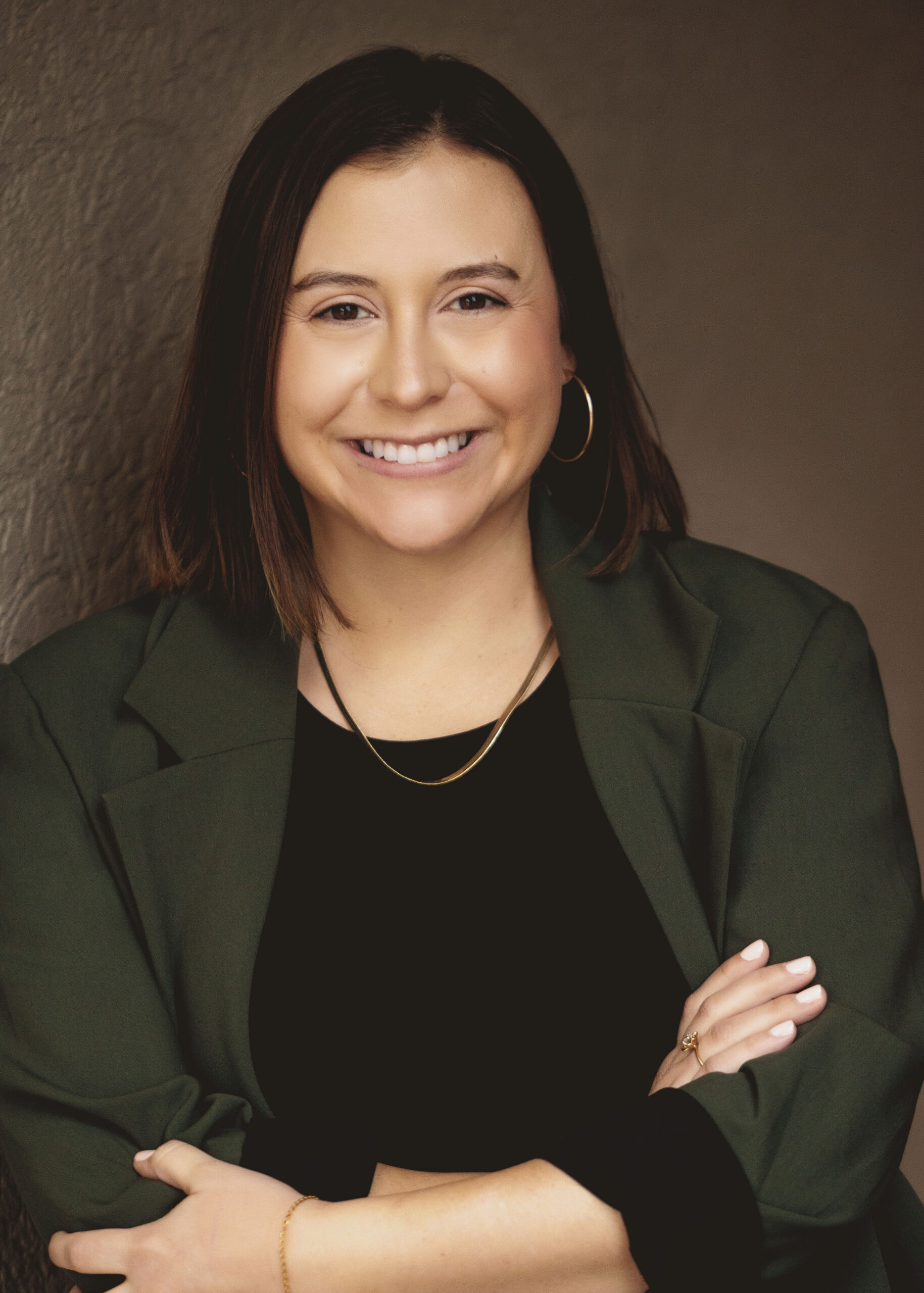
A Career in Health Care Can Look Different Than You Think
Today, Deanna serves as the first executive director of Caring Hearts and Hands of Columbia, a nonprofit organization that provides compassionate care in a homelike setting to those in their last 30 days of life.
Her work doesn’t follow the traditional image of a health care role — and that’s exactly why her story matters for people exploring the field.
A typical day might include the following.
- meeting with donors
- speaking to community groups
- planning fundraising events
- sharing the mission of the organization
- supporting day-to-day operations
- occasionally helping care for guests at the bedside
As she puts it, health care is not always about where you work — it’s about how you serve.
The Heart of the Work: Practicing Gratitude
When asked what she loves most about her job, her answer is simple but powerful: gratitude.
“I love being able to intentionally practice gratitude,” she says.
Her role allows her to connect donors with the impact of their generosity, showing them how their gifts provide comfort and high-quality care at no cost to families navigating one of life’s most difficult chapters.
That’s one of the most important lessons for anyone considering health care: your work can matter in deeply personal ways, even if you’re not always the one in scrubs.
Challenges That Shape Great Leaders
Like many professionals in health care, her path hasn’t been without challenges.
Rebuilding After Loss of Purpose
In April 2020, she was laid off from her role as the pandemic was shutting down the country. Like so many others, she faced uncertainty during a time filled with fear and misinformation.
“It was a very difficult time for me,” she says. “I had lost what my purpose was when everything was so uncertain.”
With support from an outplacement agency, she spent time reflecting on her strengths, learning what she wanted from her career and sharpening her interview skills. That period of uncertainty became a turning point.
Instead of simply finding another job, she found clarity.
Letting Go of Perfectionism
Another challenge? Perfectionism.
“Sometimes we just have to get out of our own way,” Deanna says. “Work the plan and do the job.”
For students and early-career professionals, that’s an important reminder. In health care, progress matters. Waiting for everything to be perfect can keep you from making a difference at all.
Leading While Young
As a young leader in a field often shaped by more established professionals, she’s also learned how to trust herself.
“I’m learning to lean into one of my greatest strengths: self-assuredness.”
Leadership can feel isolating, especially when the stakes are high and others depend on you. But she’s learned to take risks, celebrate wins of every size and accept that setbacks are part of growth.
That’s advice worth hearing for anyone entering health care: you do not have to know everything to lead well. You just have to keep growing.
What Future Health Care Professionals Should Know
For anyone thinking about a career in health care, Deanna’s advice is both practical and encouraging:
Be ready to get out of your comfort zone — and don’t stop learning.
“Get the certification, push yourself to learn more,” she says. “The world continues to move around us and if you don’t move with us, you are going to get left behind.”
That doesn’t mean you need to have your entire career mapped out right away. It simply means taking the next step — learning a new skill, earning a credential, asking questions or exploring a role you hadn’t considered before.
Health care is constantly evolving. The people who thrive are the ones willing to evolve with it.
Breaking Harmful Misconceptions About End-of-Life Care
One of the most important parts of her work is education — especially when it comes to correcting misunderstandings about hospice and end-of-life care.
At Caring Hearts and Hands of Columbia, the organization partners with hospice providers to offer excellent care in a warm, social home setting. The focus is always on comfort, dignity, and support for both guests and families.
That care can include supportive tools such as the following.
- music
- dim lighting
- massage
- medications used carefully to relieve pain, anxiety and breathlessness
She is especially passionate about addressing one of the most harmful myths in health care:
The idea that “hospice is just there to kill them.”
That misconception can keep families from seeking the support they need and deserve. In reality, hospice and end-of-life care are about reducing suffering, preserving dignity and helping people experience peace in one of life’s most vulnerable moments.
In health care, part of the job is not just providing care — it’s helping people understand it.
The Future of Health Care: Growing Needs, New Solutions
Looking ahead, Deanna sees major changes coming in her field — and they’re already happening.
The aging population, often referred to as the “silver tsunami,” is creating a growing demand for end-of-life support. At Caring Hearts and Hands, nearly half of the individuals and families seeking services must currently be turned away because of legal restrictions on residential care settings in Missouri.
That reality points to a larger issue: many people want to spend their final days in comfort, in a homelike environment, but they may not have the family support, finances or resources to make that possible.
This is where innovation in health care matters.
She believes social-model homes will continue to grow across the country because they offer a compassionate, sustainable alternative that honors people’s wishes without forcing families to exhaust their savings.
For people exploring careers in health care, that’s exciting news. The future of the field won’t just be about treating illness — it will be about designing better systems of care, improving access and reimagining how we support people through every stage of life.
End‑of‑life homes are still a new concept in Missouri. Only one other home of this kind exists in the state — Solace House of the Ozarks in Joplin, Mo. — and they, too, have recently hired their first executive director.
Both Caring Hearts and Hands of Columbia and Solace House of the Ozarks share many defining characteristics.
- member homes of the Omega Home Network
- started by registered nurses and provide completely free care to their communities
- not hospice providers, but partner closely with them to provide complete care
- designed to meet the specific needs of their unique communities
A Career in Health Care Is Bigger Than a Job
If you’re considering a health care career, stories like this are worth paying attention to.
Health care is not one path. It’s many paths.
It can start in public policy, nonprofit work, community outreach, fundraising, administration, patient support or direct care. It can challenge you, stretch you and sometimes surprise you. But if you stay open to learning and willing to step outside your comfort zone, it also can lead you to purpose.
Sometimes, the career you plan is not the one that changes your life.
Sometimes, health care finds you.